In today’s competitive landscape, the pathway into quantitative finance has often been synonymous with elite qualifications like the CFA or MBA. But the reality? It’s more flexible—and more exciting—than most believe. 🎯 What Do Recruiters Really Look For? Technical Proficiency• Strong foundation in maths, statistics, econometrics, and coding (Python, R, sometimes C++).• Real-world implementation skills: cleaning data, building models, interpreting results. Domain Knowledge• Understanding of fina…
In today’s competitive landscape, the pathway into quantitative finance has often been synonymous with elite qualifications like the CFA or MBA. But the reality? It’s more flexible—and more exciting—than most believe.
🎯 What Do Recruiters Really Look For?
- Technical Proficiency
• Strong foundation in maths, statistics, econometrics, and coding (Python, R, sometimes C++).
• Real-world implementation skills: cleaning data, building models, interpreting results. - Domain Knowledge
• Understanding of financial instruments like derivatives, bond dynamics, credit risk frameworks, and market regulations (Basel, IFRS 9). - Hands-On Portfolio
• Projects, case studies, and open-source contributions that showcase practical problem-solving. - Communication and Insight
• Ability to explain complex models to non‑technical stakeholders clearly and convincingly.
📚 Does a CFA or MBA Really Matter?
- CFA: Valuable for roles in asset management and fundamental analysis, but it focuses more on financial theory than coding or model implementation.
- MBA: Offers high-level business and leadership training, often paired with internships—but is costly and not always essential for quant-focused roles.
Many quant professionals thrive without either qualification, especially if they’ve mastered the critical technical and domain-relevant skills.
🚀 How Peaks2Tails Can Help You Bridge the Gap
Peaks2Tails has positioned itself as a complete online ecosystem for aspiring quant and risk modelers. Here’s why it matters:
- End‑to‑End Learning
Courses begin with fundamentals—data cleaning and statistical refreshers—and advance through real-world model building, output analysis, and interpretation peaks2tails.com. - Excel + Python Focus
Instead of abstract theory, Peaks2Tails emphasizes hands-on sessions in both Excel and Python, ensuring proficiency in practical implementation. - Quantitative Track Options
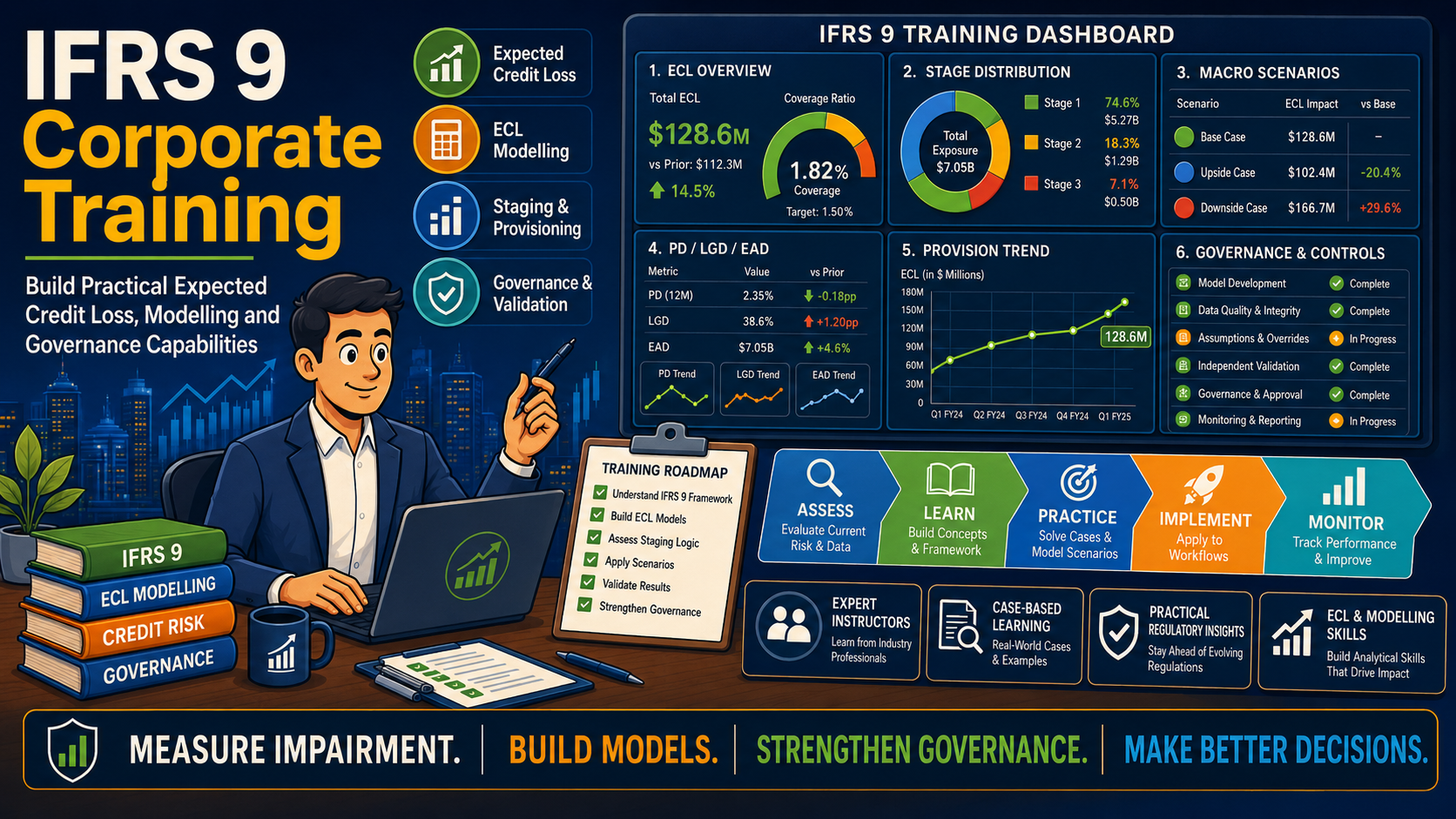
Including deep dives into derivatives valuation, market risk, credit risk (Basel, IFRS 9), and advanced AI-driven modeling. - Live Forum and Community Support
D‑Forum facilitates structured Q&A and peer interaction, helping bridge the gap between learning and professional mindset. - Certification with Credibility
Formal certificates are awarded on project completion and exams—usable as credentials in quant/job applications peaks2tails.com.
⚖️ Balancing Self-Learning vs. Structured Training
Pros of Self-Learning:
- Highly flexible and cost-effective.
- Plenty of free resources available.
- Ideal for self-motivated learners.
Challenges:
- Hard to build portfolio-worthy projects or receive mentorship.
- Lacks structured feedback and peer interaction.
That’s where Peaks2Tails offers real value:
- Curated, focused curriculum targeting industry needs.
- Continuous guidance via live sessions, Excel/Python labs, and graded assignments.
- Dedicated D‑Forum for structured query resolution and community support.
🧭 Career Strategy — Without the CFA or MBA
To enter quant roles without relying on elite credentials, consider this roadmap:
- Choose a Focused Learning Program
Enroll in a program like Peaks2Tails to build foundational expertise in math, Python, and finance-backed modeling. - Build a Portfolio
Develop and share concrete projects—e.g., pricing models, VaR, credit scorecards, time-series forecasting. - Connect with Practitioners
Engage in forums, webinars, and communities—like the D‑Forum from Peaks2Tails—for networking and real-world insights. - Apply Smartly
Highlight your technical projects, certifications, and problem-solving in interviews—even without a CFA or MBA. - Upskill Continuously
As you advance, certifications like FRM, CQF, or even CFA can boost your profile—but they’re not essential to start.
💡 Final Take
Yes, you can build a successful career in quantitative finance without a CFA or MBA. What truly matters is practical ability—knowing how to model, code, analyze, and explain results effectively.
Peaks2Tails offers a well-rounded, hands-on bridge between self-study and elite certification. Their courses, strong community support, and industry-aligned credentials position ambitious learners well for breaking into top quant and risk roles—without taking the traditional CFA/MBA route.